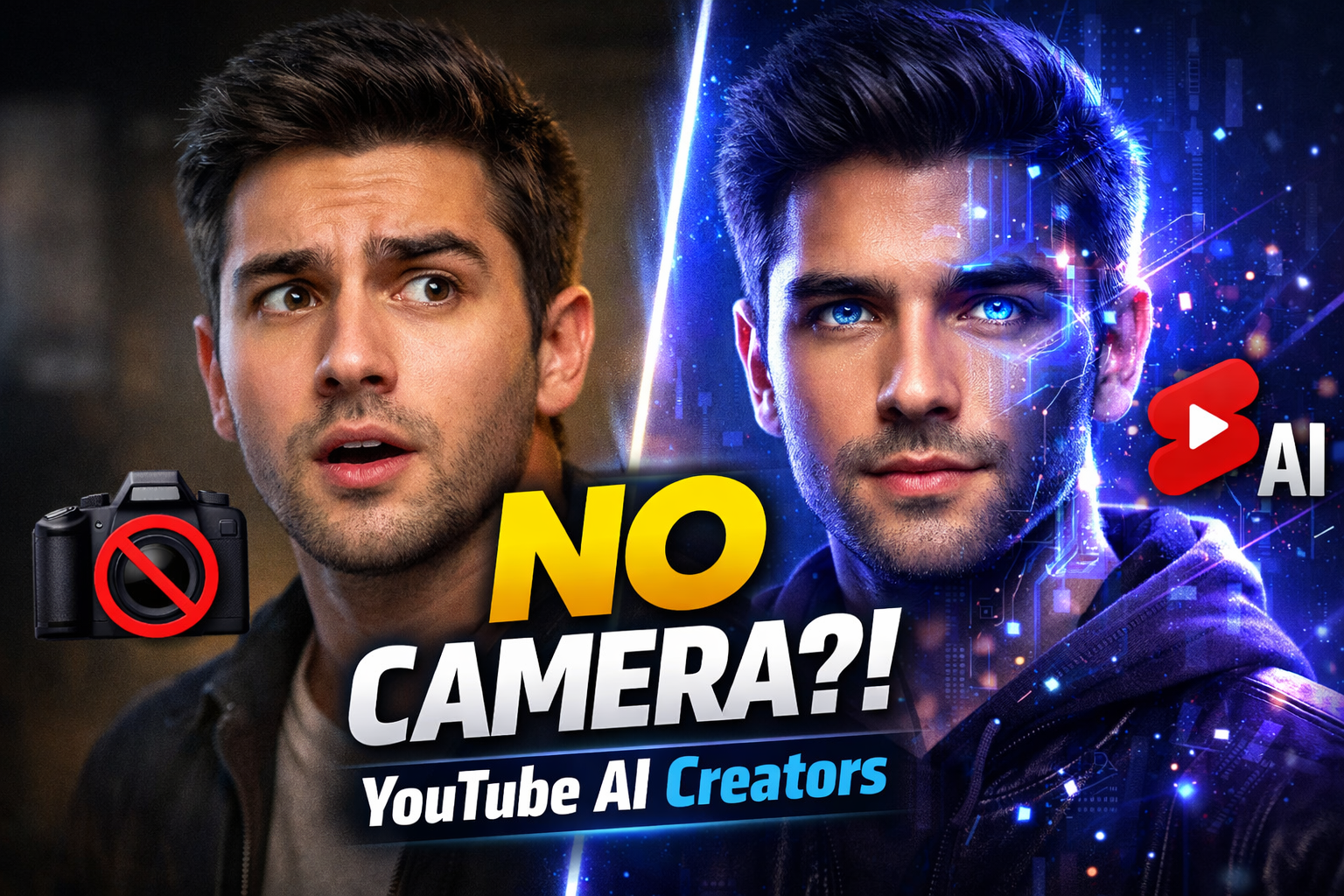
In early 2026, a statement from YouTube CEO Neal Mohan sent a subtle but powerful signal across the creator economy: YouTube is no longer just supporting AI tools—it’s actively building a future where creators may not even need to be on camera to stay visible.
At first glance, the announcement sounded almost convenient. A new feature for YouTube Shorts will allow creators to generate videos using their own likeness without actually filming themselves. Add to that AI-generated music, and even simple games created through text prompts, and you get a platform that’s shifting from “video hosting” to something much bigger: a creative operating system.
But beneath the surface, this move raises deeper questions about authenticity, identity, monetization, and what it really means to “create” in the age of artificial intelligence.
This article breaks down what YouTube’s AI-first direction means for creators, viewers, advertisers, and the broader internet—and why 2026 might be remembered as the year digital identity became programmable.
The End of the Camera-First Internet?
For more than a decade, success on YouTube followed a familiar formula:
camera → lighting → mic → editing → upload → repeat.
This workflow shaped entire industries—camera gear, ring lights, studios, editing software, even influencer homes designed around filming. Being on camera wasn’t optional; it was the price of entry.
YouTube’s new Shorts feature quietly challenges that assumption.
Instead of filming, creators can now generate short-form videos using an AI model trained on their own face, voice, and expressions. The output? A video that looks like them, talks like them, reacts like them—but was never actually recorded.
This isn’t just automation. It’s identity replication.
And that changes everything.
Why YouTube Is Betting Big on AI in 2026
YouTube’s push toward AI isn’t sudden. It’s strategic.
1. Creator Burnout Is Real
Creators are exhausted. Daily uploads, algorithm pressure, constant reinvention—it’s not sustainable for most people. AI-generated likeness videos allow creators to stay active without always being “on.”
2. Shorts Demand Volume
Short-form content rewards consistency and speed. AI lowers production friction, making it easier to post frequently without sacrificing quality.
3. Competition Is Brutal
Platforms like TikTok and Instagram are already experimenting with generative tools. YouTube can’t afford to stay conservative while others move fast.
4. AI Keeps Creators Inside the Ecosystem
If creators can generate music, visuals, games, and videos inside YouTube, they’re less likely to rely on third-party tools—and less likely to leave.
From a business standpoint, it’s brilliant.
From a cultural standpoint, it’s disruptive.
Virtual Creators: Not Avatars, Not Deepfakes—Something New
It’s tempting to compare this feature to avatars or deepfake technology, but that misses the point.
These AI-generated Shorts aren’t generic characters. They are licensed digital versions of real creators, created with consent and controlled by the original person.
Think of it as a “digital twin” with boundaries.
Creators decide:
- How their likeness can be used
- What kind of content it can generate
- Whether it speaks, sings, explains, or reacts
This is fundamentally different from someone else using your face without permission. It’s closer to owning intellectual property over your own identity.
And that idea—identity as IP—is going to ripple far beyond YouTube.
What This Means for Small Creators (Not Just Big Influencers)
One common fear is that AI tools will mostly benefit large creators. In reality, smaller creators might gain the most.
Lower Barriers to Entry
You no longer need a studio, perfect lighting, or hours of editing. A phone, an idea, and a few prompts could be enough.
Consistency Without Exhaustion
Creators juggling jobs, studies, or family can maintain a posting schedule without burning out.
Language and Accessibility Boost
AI-generated videos can be easily localized—same creator, multiple languages, without re-recording.
This could lead to a surge in niche content: regional tech news, hyperlocal commentary, educational Shorts tailored to micro-audiences.
AI-Generated Music: The Silent Revolution
Alongside virtual creators, YouTube plans to roll out AI music tools that let creators generate background tracks, jingles, or even full songs using text prompts.
This solves a massive pain point.
Copyright.
Music licensing has always been a minefield for creators. AI-generated music:
- Eliminates copyright strikes
- Reduces dependency on external libraries
- Allows custom moods and pacing
For Shorts especially, where music drives discovery, this is a game-changer.
But it also raises questions:
- What happens to independent musicians?
- How do royalties work when music is generated, not composed?
YouTube hasn’t fully answered these yet—but the direction is clear.
Text-to-Game: Why Simple Games Matter More Than You Think
At first, AI-generated games might sound like a gimmick. But consider this: interactive content keeps users on the platform longer.
By allowing creators to generate simple games via text prompts, YouTube is experimenting with:
- Interactive Shorts
- Gamified comments
- Creator-led mini experiences
This blurs the line between video platform and entertainment hub.
And for creators, it opens new monetization paths—engagement-based rewards instead of pure views.
Authenticity in the Age of AI Faces
Here’s the uncomfortable question:
If a creator didn’t record the video, is it still authentic?
The answer isn’t binary.
Authenticity has never meant “raw footage only.” Scripts, editing, retakes, and thumbnails already shape perception. AI just makes the process more abstract.
What will matter is disclosure and trust.
Creators who are transparent about using AI tools are likely to maintain credibility. Those who hide it may face backlash.
Interestingly, YouTube is expected to enforce labeling rules—clearly indicating when content is AI-generated or AI-assisted.
This transparency could become a competitive advantage.
Monetization and AdSense: Will AI Content Be Approved?
This is the question every blogger and creator cares about.
Based on YouTube’s direction, AI-assisted content is not inherently a violation of monetization policies. What matters is:
- Originality
- Value to viewers
- Compliance with community guidelines
In other words, AI is a tool—not a shortcut.
Low-effort spam will still fail. Thoughtful, informative, entertaining content will still win.
For advertisers, this actually improves brand safety. AI tools reduce copyright risk, inconsistent quality, and unpredictable production issues.
Expect AdSense to quietly adapt rather than resist.
Why Google Discover Will Love This Shift
From a discovery standpoint, AI-powered content fits perfectly with Google’s evolving priorities.
Google Discover favors:
- Fresh, timely content
- Engaging visuals
- Consistent publishing
AI makes all three easier.
Creators who use these tools responsibly can publish more often without sacrificing depth—exactly what Discover algorithms reward.
The key? Human judgment.
AI can generate. Humans must curate.
The Bigger Picture: YouTube Isn’t Just Competing With TikTok
This move positions YouTube against something bigger than rival platforms.
It’s competing with:
- Traditional production workflows
- External creative software
- The idea that creativity must be time-bound
By embedding AI directly into creation, YouTube becomes infrastructure—not just distribution.
And once creators build their workflows around that infrastructure, leaving becomes harder.
The Risks Nobody Is Talking About (Yet)
No transformation is risk-free.
Identity Misuse
Even with consent systems, digital likenesses are sensitive. A single breach could have serious consequences.
Content Flood
If creation becomes too easy, discoverability may suffer. Quality filters will matter more than ever.
Creator Dependency
Relying too heavily on platform-native AI tools could reduce independence over time.
Smart creators will balance convenience with control.
What Creators Should Do Right Now
You don’t need to panic—or rush.
But you should:
- Start building a recognizable personal brand
- Focus on ideas, not just production
- Stay informed about AI disclosure rules
- Treat AI as an assistant, not a replacement
The creators who thrive in 2026 won’t be the ones who resist AI—or blindly embrace it.
They’ll be the ones who direct it.
Final Thoughts: A Quiet Revolution, Not a Loud One
YouTube’s announcement didn’t come with flashy slogans or dramatic promises. And that’s what makes it powerful.
This isn’t a sudden takeover.
It’s a gradual shift in how creativity works.
Cameras won’t disappear. Human presence won’t vanish. But the definition of “showing up” online is changing.
In 2026, being a creator may no longer mean pressing record.
It may mean designing how your digital self speaks for you.
And that’s not the end of creativity.
It’s the start of a new chapter.
Disclaimer:
This content is created for educational and informational purposes only. The information discussed is based on publicly available announcements, reports, and industry analysis. Some visuals, demonstrations, or representations shown in this video or article may be AI-generated or illustrative in nature to explain future concepts and features. This content is not affiliated with, endorsed by, or sponsored by YouTube, Google, or any of their partners. Viewer discretion is advised.
Leave a Reply